Tourist Information
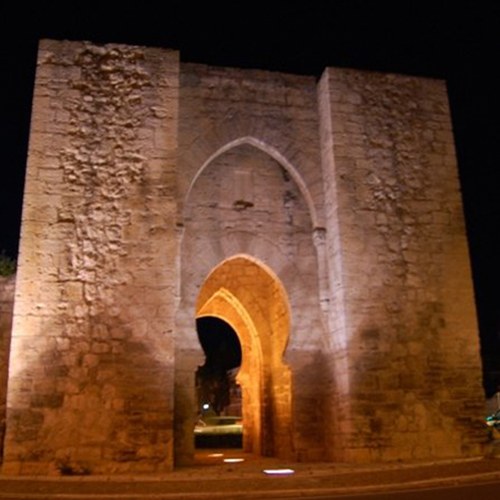
Puerta de Toledo
The Puerta de Toledo is one of the most distinctive architectural structures in Ciudad Real and is well worth a visit. During the Middle Ages, the town was protected by four kilometres of defensive walls and one hundred and thirty towers, sheltering a population of Christians, Muslims, and Jews. Following the unification of the Iberian kingdoms under the Catholic Monarchs, Ciudad Real became the capital of the province of La Mancha in the 17th century; this status fostered economic development and the construction of significant edifices.
A prominent example of 14th-century Mudéjar architecture in La Mancha is the Puerta de Toledo, which served as one of the eight primary entrance gates to the city. This gateway is the sole remaining vestige of the ancient walls of Ciudad Real. It features six arches—comprising two outer pointed arches and four inner horseshoe arches—along with two square towers, and the coat of arms of Castile remains preserved upon its walls.
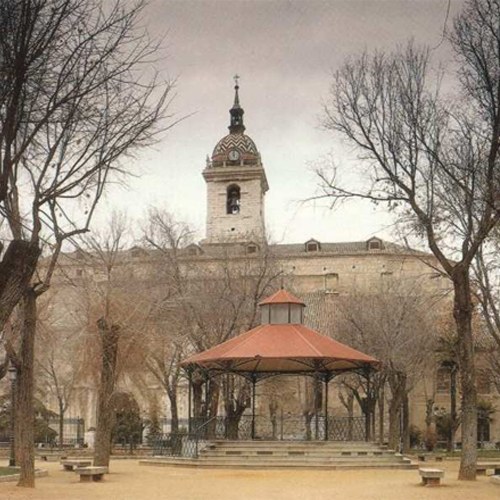
Cathedral
The Cathedral of Santa María del Prado represents an exceptional example of the stylistic fusion resulting from an extensive construction process. Its earliest elements date back to the 13th century, whilst the most recent additions belong to the 19th century. Notable interior features include the Baroque altarpiece and the choir stalls. Although the building is of transitional Gothic design, its origins can be traced back to a Romanesque sanctuary. It has undergone several restorations, the most recent of which established its current appearance. The initial remodelling occurred during the reign of Alfonso X “El Sabio” (“The Wise”). Both the southern portal and the high altarpiece are of Renaissance style. The Puerta del Perdón (Gate of Forgiveness), which incorporates Gothic and Romanesque elements, is believed to have served as the main entrance during the era of Alfonso X. Within the sacristy, several paintings are of particular note, alongside a portapaz by Becerril and a magnificent Baroque chest of drawers. The new tower, completed in the 19th century, comprises four stone sections.
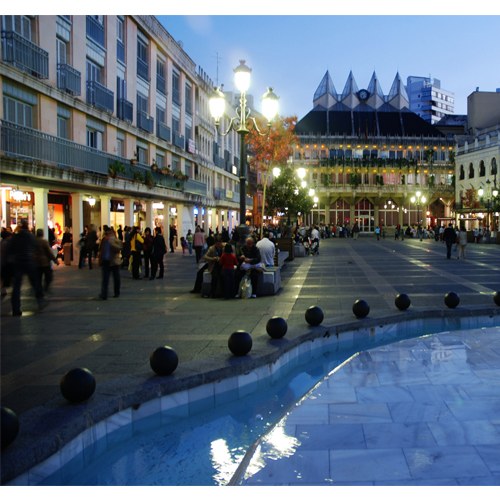
Main Square
The Town Hall is the most prominent feature of the city's Plaza Mayor, which is comprised of a diverse array of architectural styles. The current Town Hall building dates from 1976 and was designed by Fernando Higueras; its distinctive Neo-Gothic inspired appearance is reminiscent of typical municipal buildings in the Netherlands. Situated opposite is the Casa del Arco, the former 15th-century Town Hall. This historic edifice houses a clock that activates at specific intervals throughout the day, during which figures of Don Quixote and Sancho Panza emerge onto the Cervantes balcony to the accompaniment of music. During the summer months, this occurs at 12:00, 13:00, 14:00, 20:00, 21:00, and 22:00. Finally, beneath the Casa del Arco lies a fountain featuring a sculpture of Alfonso X, the city's founder, executed by García Donaire in 1967
Old Casino
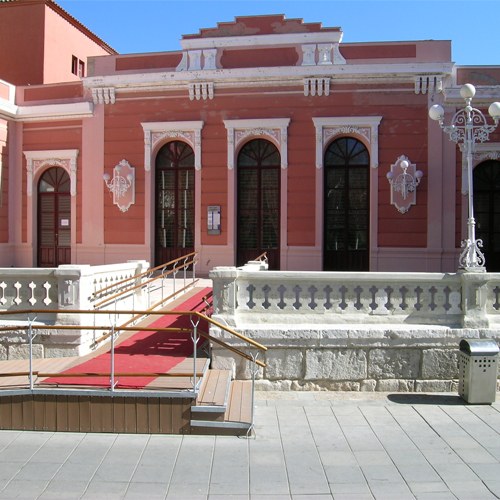
The reddish edifice situated adjacent to the Cathedral formerly housed a Grand Casino and the "Marcos Redondo" Conservatory of Music; it currently serves as the headquarters for the Department of Culture and Festivities. Inaugurated on 7 June 1887, this 19th-century building is a Classicist construction by Sebastián Rebollar. Its most distinguished features include the ornate mouldings—particularly within the Ballroom—where the decorative elements depict palms, fretwork, and floral motifs. Other areas of particular interest include the exquisite Art Deco chandeliers and the Conference Hall, which is adorned with mythological themes. Furthermore, the radiators, designed as furniture with curved legs, also feature intricate botanical ornamentation.
Provincial Council
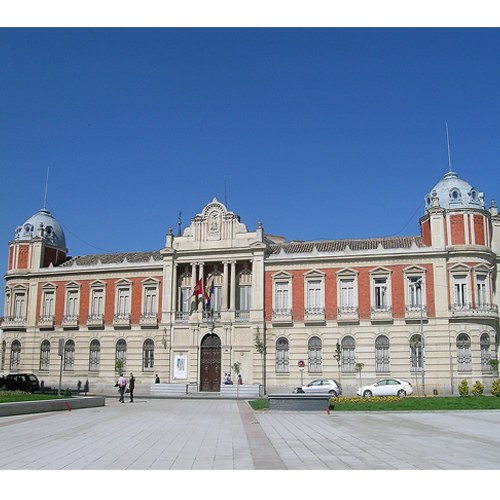
The Diputación Provincial (Provincial Council) is the most exquisite civil edifice in the city and a magnificent example of late 19th-century architecture. Designed by the architect Santiago Rebollar and completed in 1892, the building features three distinct facades. Of particular note are the principal facade, which is crowned by the city’s coat of arms, and the Merced facade, which boasts a platform of Ionic columns surmounted by a pediment. The entire ground floor is constructed from white limestone, whilst the upper storey combines brickwork and stone. Internally, the grand staircase is a prominent feature; it is divided into two sections and covered by a dome that was added during the late 19th century.
Quixote Museum
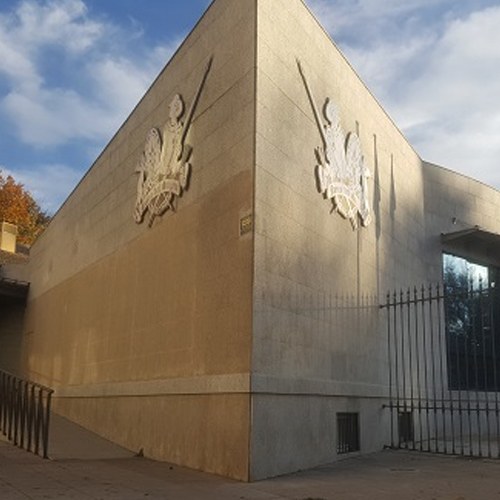
The Don Quixote Museum is a contemporary institution that introduces innovative exhibition concepts centred on the figure of the Knight of La Mancha and his universe. The museum comprises three galleries featuring audiovisual installations: the first illustrates the evolution of Don Quixote’s character throughout history; the second recreates a 17th-century printing workshop; and the third provides a visual synthesis of the novel itself.
López Villaseñor Museum
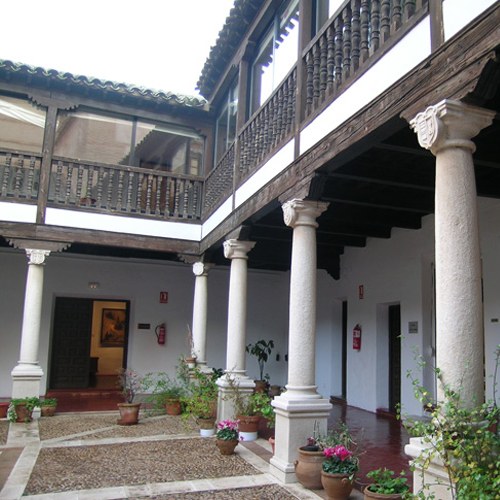
The museum houses the work of Manuel López-Villaseñor, one of the foremost exponents of Spanish painting from the second half of the 20th century. It also stands as one of the city's most significant cultural centres. The building, known as the Casa de Hernán Pérez del Pulgar, was the birthplace of this illustrious soldier from the era of the Catholic Monarchs. Dating back to the 15th century, it is the oldest residence in Ciudad Real. Its Renaissance facade, adorned with granite Ionic columns, a wrought-iron balcony, and the family coat of arms above the entrance, forms a small tower. The ground floor, originally a carriage entrance, provides access to a central courtyard featuring stone columns and timber galleries.
Merced Museum
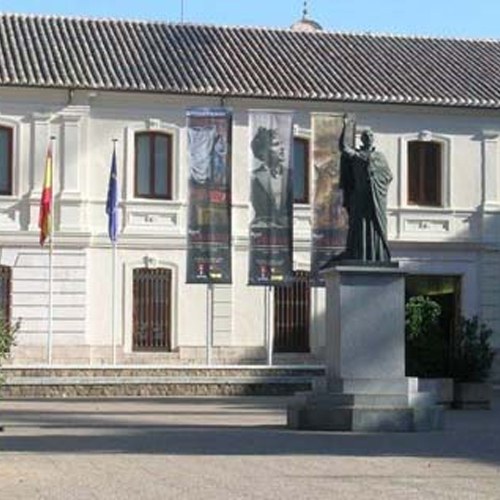
The emblematic former convent of La Merced is a 17th-century edifice, meticulously restored to mark the fourth centenary of the publication of Don Quixote. It currently hosts the exhibition "Art in the Spain of Don Quixote," which offers a comprehensive overview of the Spanish artistic landscape during that era.
Tapas
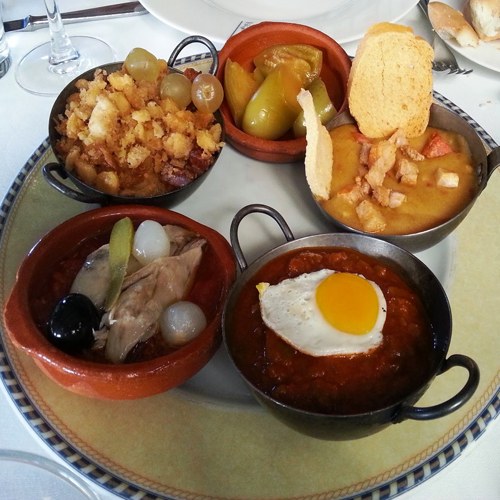
Tapas represent the pre-eminent treasure of the city’s gastronomy. They comprise an extensive variety of appetisers or small portions of Spanish cuisine, typically served complimentary with the purchase of a beverage in any bar or restaurant. The area surrounding the Plaza Mayor and Calle Palma is an ideal location to sample these offerings, with prices generally ranging between €3 and €3.50
Other Cities
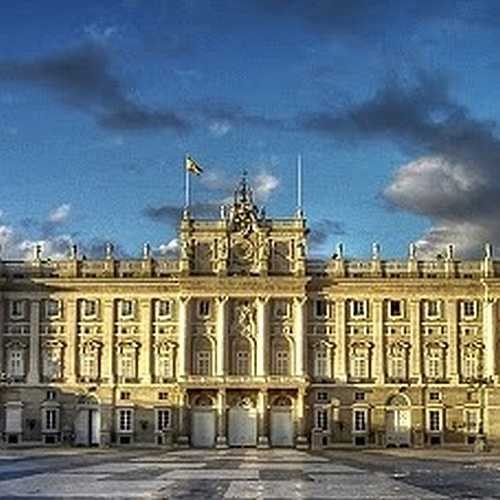
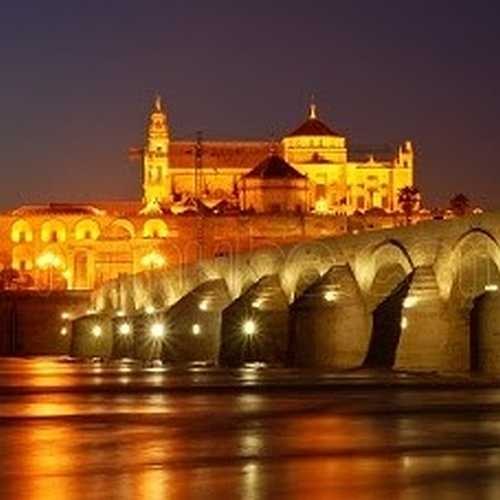
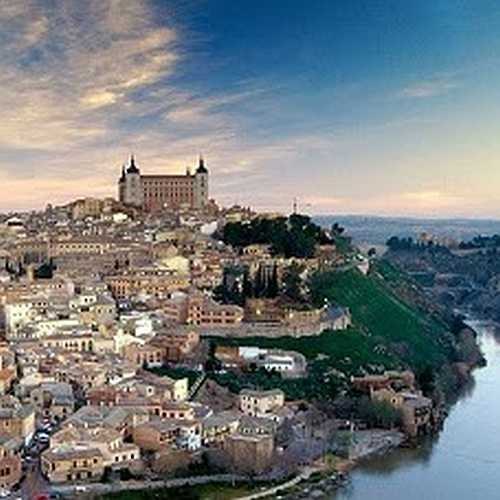
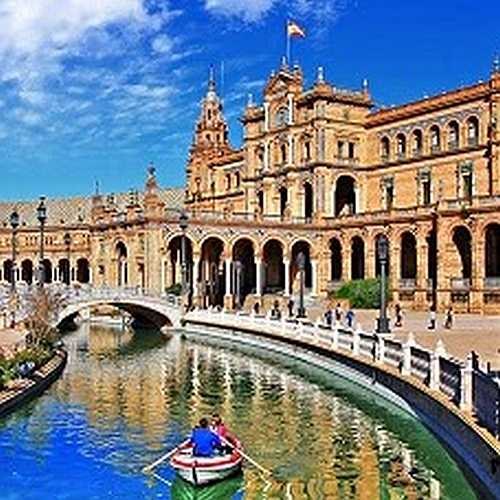
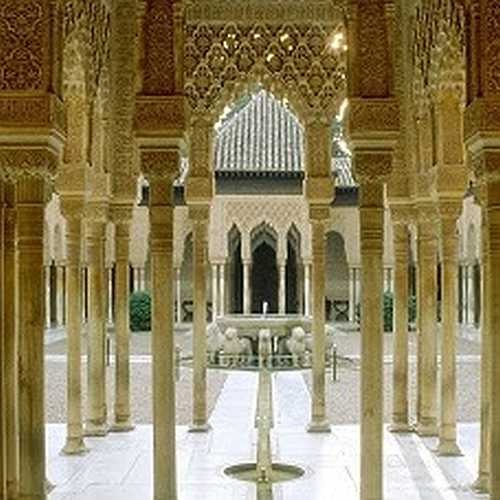
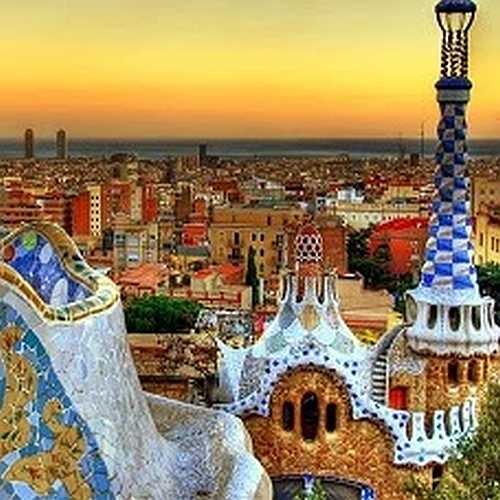
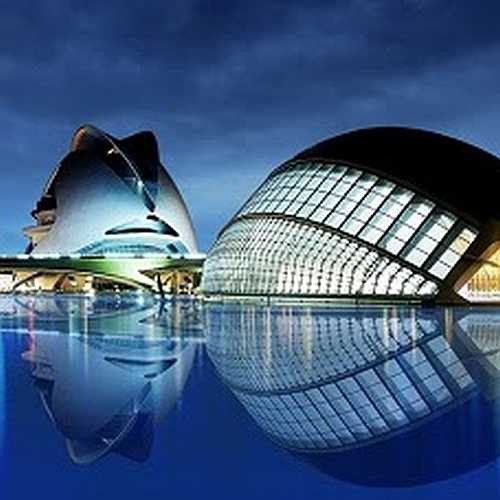
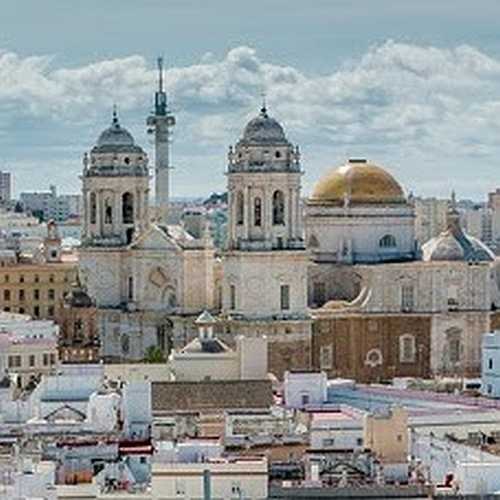
From Ciudad Real you can easily reach other wonderful Spanish cities such as Madrid, Córdoba, Toledo, Seville, Granada, Barcelona, Valencia, Cádiz, and Bilbao.